The Heritage Table: Ancient Olive Groves of the Peloponnese
Published on June 24, 2025 • By Editorial Dispatch • 7 min read
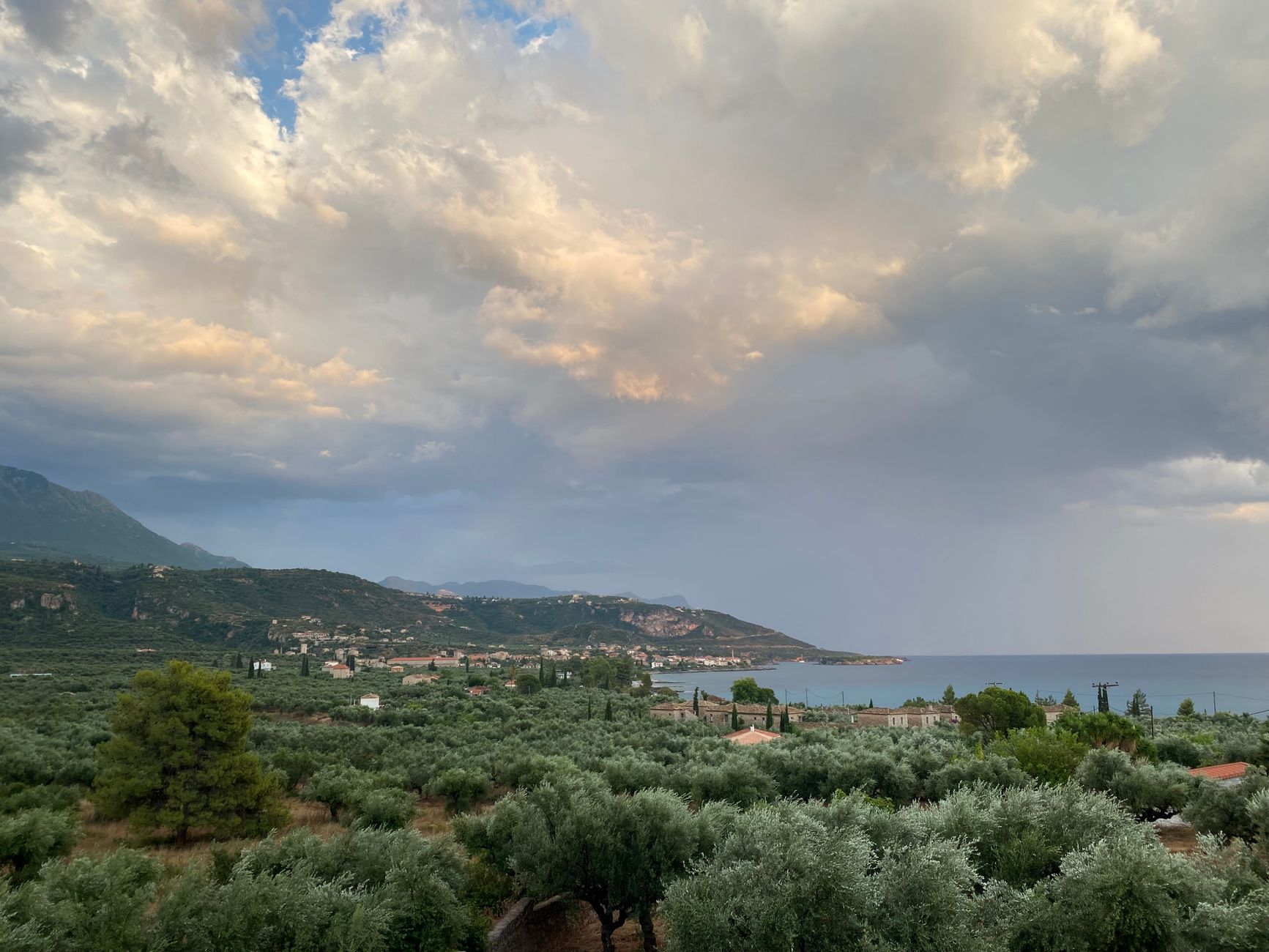
"An olive tree in the Peloponnese is not merely agricultural foliage; it is a living family heirloom that has witnessed emperors, maritime sieges, and peaceful harvests."
The Living Bronze of Mani
Driving south from Kalamata toward the stone towers of the Mani peninsula, the air fills with wild thyme, sea brine, and dusty limestone heat. Here, gnarled trunks of Koroneiki olive trees cling tenaciously to terraced hillsides. Many of these specimens have borne fruit continuously for three hundred to five hundred years.
Travelers who speed along modern toll highways rarely grasp the profound culinary heritage tucked away in these mountain hamlets. We joined third-generation growers who continue to harvest by hand using woven rakes, taking the emerald fruit directly to cold mechanical presses within six hours of harvesting.
Tasting the Terroir
Freshly pressed, unfiltered extra virgin olive oil from this rugged coast is unlike standard supermarket bottles. It greets the palate with grassy intensity, followed by a peppery bite in the throat—evidence of extraordinarily high polyphenol and antioxidant content. Drizzled over warm sourdough baked in a wood-fired brick oven and dusted with hand-gathered sea salt from coastal rock pools, it represents Mediterranean luxury in its purest, most elemental form.
Beyond the press houses, historic stone estates have opened modest guest wings. Waking in a cool limestone vaulted room to the murmur of cicadas and enjoying a breakfast of sheep's milk yogurt, raw thyme honey, and dark figs pulled directly from the tree restores our connection to real, unhurried nourishment.
Peloponnese Culinary Guide
- Best Season: October and November for olive harvest festivals and gentle sea swimming temperatures.
- Pairings: Seek out indigenous grape varieties such as Agiorgitiko and Moschofilero produced by small organic winemakers.
- Stay: Restored tower houses in Kardamyli offering private sea terrace dinners.
Savoring the Slow Harvest
True gastronomy requires context. Sitting at a rough wooden table under an ancient olive canopy as the sunset turns the sea from gold to violet, the fast-paced modern world recedes completely. The simple pleasures endure because they are bound to the land.