Echoes of the Fjord: Slow Architecture Along Norway's Western Coast
Published on June 02, 2025 • By Editorial Dispatch • 6 min read
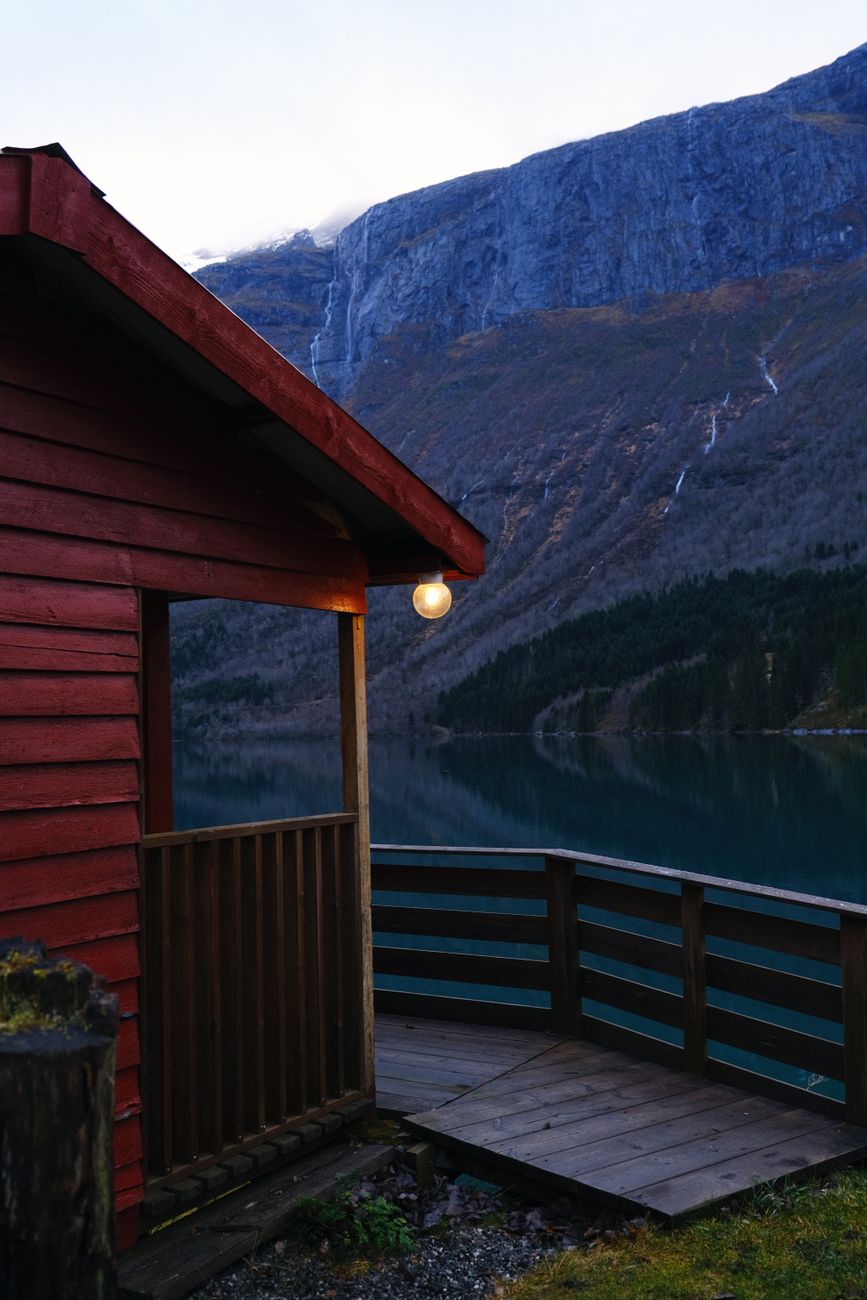
"To build alongside a Norwegian fjord is to engage in an ongoing dialogue with primeval forces of water, ice, and basalt."
Architecture as a Passive Frame
Norway's western coastline is carved with staggering geological drama. Giant sheer walls of dark rock rise hundreds of meters straight from emerald depths, punctuated by cascading meltwater ribbons. For decades, tourist infrastructure in such remote regions tended toward bulky alpine chalets. Today, however, a new generation of Nordic architects is pioneering a language of quiet humility.
Constructed on modest pile foundations drilled directly into bare bedrock, modern fjord cabins tread lightly. Using locally sourced charred timber, triple-glazed frameless glass panes, and green sedum roofs that blend into the mossy landscape, these shelters serve as sensory amplifiers rather than monuments to human pride.
The Rhythm of Northern Light
In midsummer, nightfall never truly arrives; dusk softens into a luminous twilight that bathes the fjord in indigo and silver hues. In autumn, storm fronts surge from the North Sea, rattling windowpanes while a cast-iron stove crackles with birch logs inside.
Visitors spend hours simply watching the water shift from turquoise to slate grey as squalls roll down the mountain passes. The absence of television, roadside advertising, and neon signs transforms the lodge into a reflective observatory.
Expedition Recommendations
- Access: Fly into Bergen and journey northward via electric coastal ferry to minimize transit carbon footprints.
- Highlights: Sea kayak expeditions along the Aurlandsfjord, followed by cold plunges and wood-fired cedar saunas.
- Cuisine: Foraged cloudberries, cured Arctic char, and wild venison sourced from local mountain communities.
A Template for Sustainable Wandering
The lessons of Norway's slow coastal architecture reach far beyond Scandinavia. They demonstrate that high-end travel need not degrade fragile ecosystems. When travel operators prioritize insulation, passive solar heating, and local timber crafts, both the voyager and the pristine wilderness remain enriched.